
Insect Identification

Butterflies of the Colorado Front Range
Boulder County has a bounty of butterflies. Learn more about local butterflies from the Boulder County Nature Association’s Colorado Front Range Butterflies web site.
If you prefer a book or e-book format, the newly expanded Butterflies of the Colorado Front Range, by Janet Chu and Stephen Jones, is a fantastic guide that includes twenty species of these eye-catching insects not included in the first edition. Striking photos and clear descriptions make it easy to identify 100 species frequently observed from the Wyoming border to Pueblo. A month-by-month chart reveals when and where to look for your favorite butterflies. In the e-version, hyperlinks make it easy to compare and identify similar species. View the sample page of the Bronze Copper. 120 color photos.

Dragonflies of the Colorado Front Range
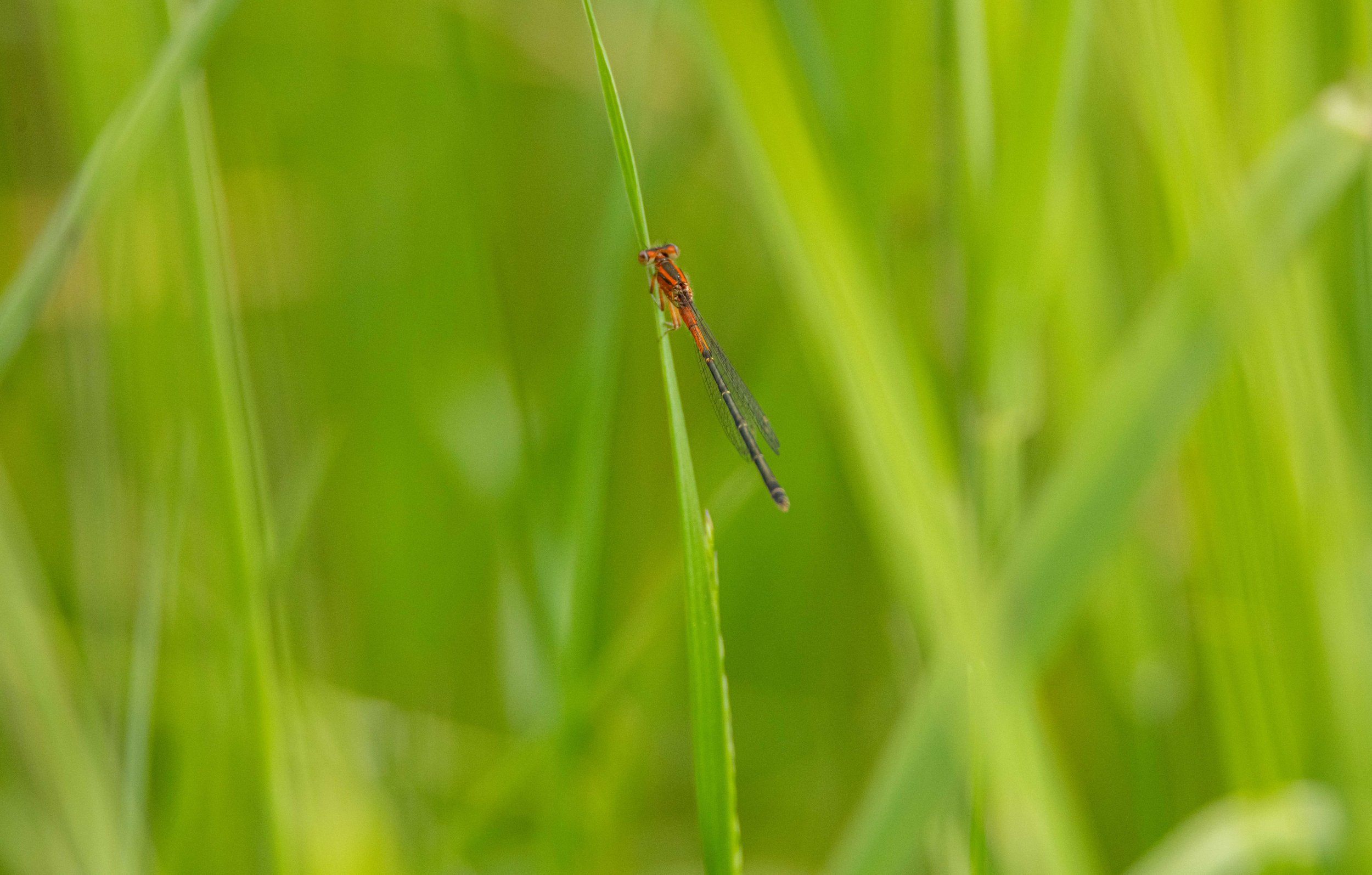
Dragonflies are dainty, but deadly, as they dart over ponds and clearings on the hunt for prey. How can they fail to catch the eye with such shimmering rainbow colors?
Showcasing 45 dragonflies and 28 damselflies, Dragonflies of the Colorado Front Range, by Ann Cooper, covers the most common species found from the northern Colorado border south to Walsenburg, CO. Accompanying more than 90 brilliant photographs are descriptions of habitat, appearance, length, behavior, similar species, flight time, and interesting facts for each species. Introductory material includes tips on watching, identifying, and photographing these tiny jewels. This field guide is excellent for beginners and naturalists who would like to identify and enjoy dragonflies.
This book is a publication of the Boulder County Nature Association.
Insects and Kin of the Colorado Front Range
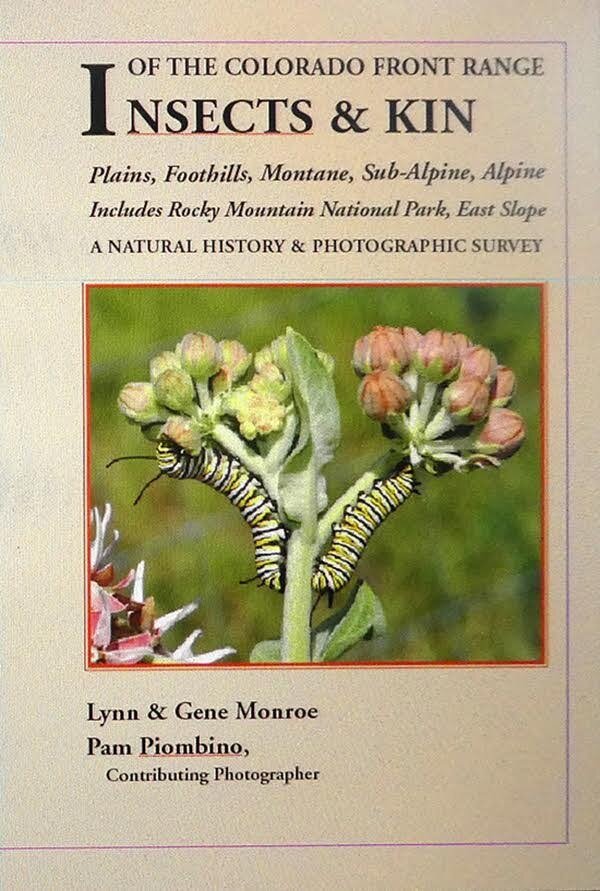
Insects and Kin, by Lynn and Gene Monroe with Pam Piombino contributing many of the photographs, is a comprehensive guide to the major orders of insects (1,224 species) and other arthropods (42 species, including spiders) that you are likely to observe throughout Colorado’s seven Front Range life zones. This work is based on a photographic and natural history field survey of over 29 years. The writing is clear and concise with each of the 1224 species of insects detailed have one to three color photographs. There are a total of 2,557 color photographs taken in the wild with just a few exceptions. Each taxonomic group starts with an overview of the Family. Each of the Genus or species descriptions includes a physical description, their geographical range, when in the year they are active, and their plant and habitat associations.
This book can be purchased directly from the authors. Find out more.