June Nature Almanac: Penstemons AKA Beardtongues
By Ruth Carol Cushman with Stephen R. Jones
June 2026
About 250 penstemon species flourish throughout the United States, with 62 to 65 species native to Colorado. That makes our state second only to Utah in diversity of the genus.
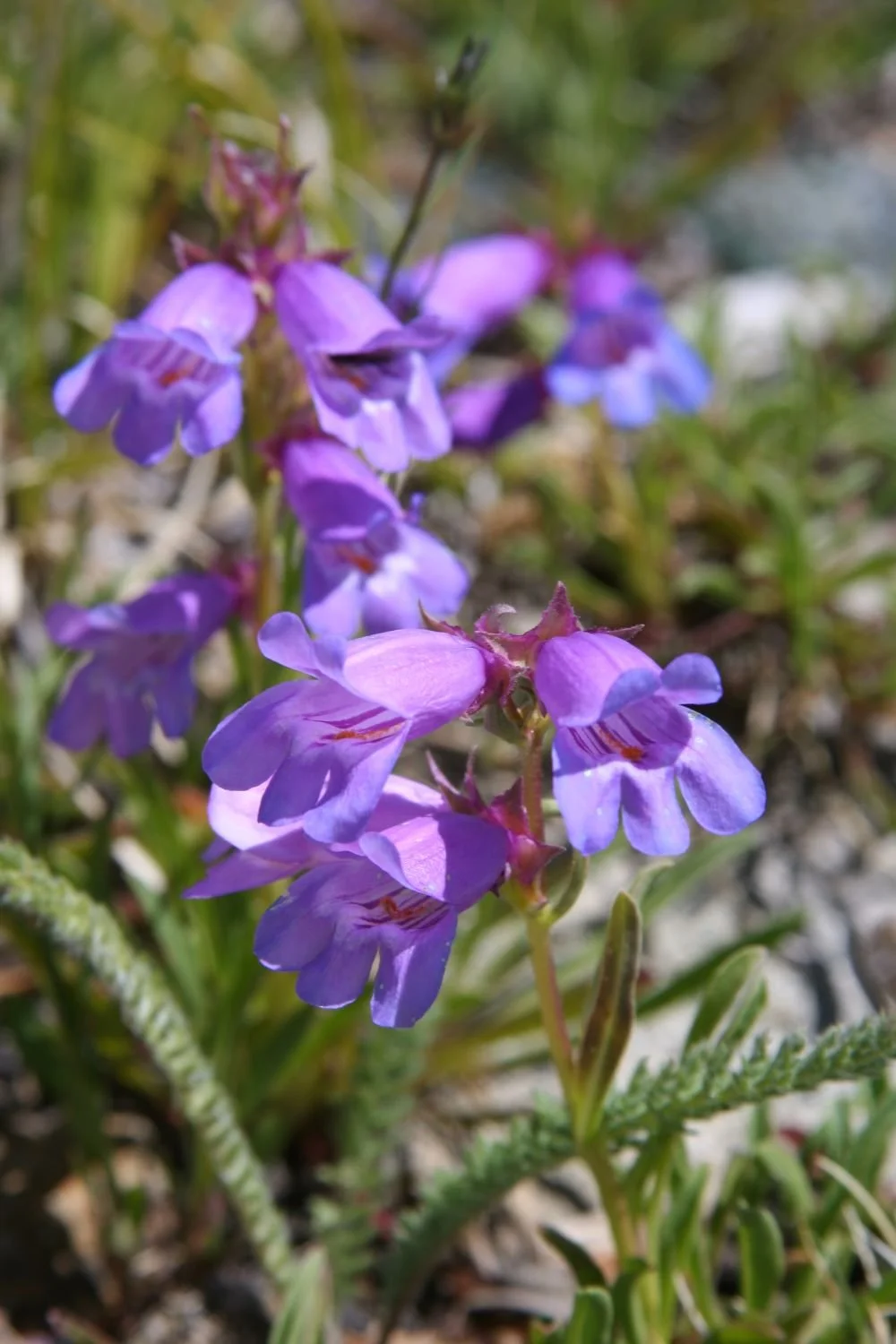
Hall’s penstemon (P. hallii) growing near South Fork, Colorado. Photo by Glenn Cushman.
Dr. John Mitchell first described the genus in 1748 naming it Penstemon, from the Latin “paene” meaning “almost” and the Greek “stemon” meaning “stamen”. This was referring to the large, sterile stamen on the species he originally described. As with so many things, there’s some confusion about the name. Carl Linneus and other botanists tried to “correct” the name to Pentstemon (from the Greek root “pente” meaning five) thinking Mitchell was referring to “five stamens” as most penstemons have four fertile stamens and one sterile stamen (staminode). Still today, many people are told the name refers to the five stamens.
Several species have a sterile, hairy stamen resembling tongues that protrude from the throat, leading to one of its common names, “beardtongue.”
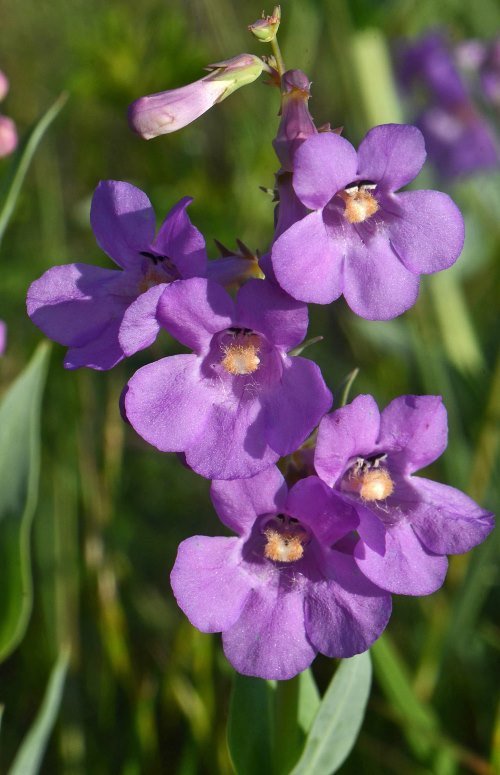
Oneside Penstemon (P. virgatus var. asa-grayi) showing the fuzzy infertile stamen that gives rise to the common name beardtongue. Photo by Stephen Jones.
Resembling snapdragons (and formerly considered part of Scrophulariaceae), this member of the plantain family Plantaginaceae (not the same family as the banana-like plantains we eat), has a tubular corolla with a two-lobed upper lip and a three-lobed lower lip.
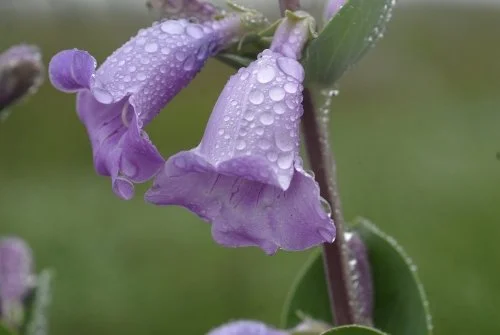
Large beardtongue (P. grandiflorus) with long tubular flower with two upper and three lower “lips”. Photo by Stephen Jones.
Various species grow from the eastern plains to the tundra and range in size from short mats to two-foot high plants to small shrubs. Blue, pink, lavender, white, red, or purplish flowers contain large reservoirs of nectar, and are pollinated by bees and butterflies. Even hummingbirds stick their long tongues down the corollas to sip nectar from some varieties.
Penstemons are valued by landscapers because most of them prefer dry, sunny habitats where they have little competition from other forbs or grasses. Gardeners are urged not to water or fertilize heavily as these “fuss-free” plants prefer well-drained soil without amendments.
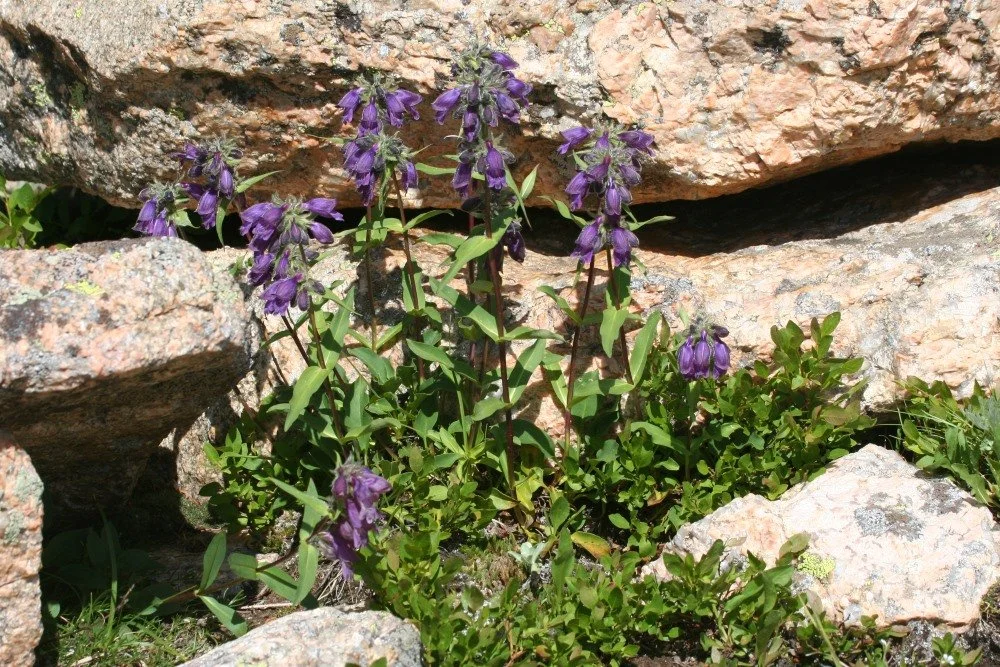
A purple penstemon (species unknown) taken on Georgia Pass, Colorado. Photo by Glenn Cushman.
As if their beauty were not reason enough for being, penstemons were also used medicinally by several Native American tribes and early pioneers. According to the Native American Ethnobotany database, decoctions and infusions of various plant parts were used to treat such disorders as inflamed eyes, kidney problems, sore backs, headaches, stomach aches, chest pains, colds, cramps, and other ills. Poultices were sometimes applied to sores. The Havasupai folded leaves lengthwise and placed them in their mouth to mimic the sound of a baby deer, helping to attract wildlife during a hunt.
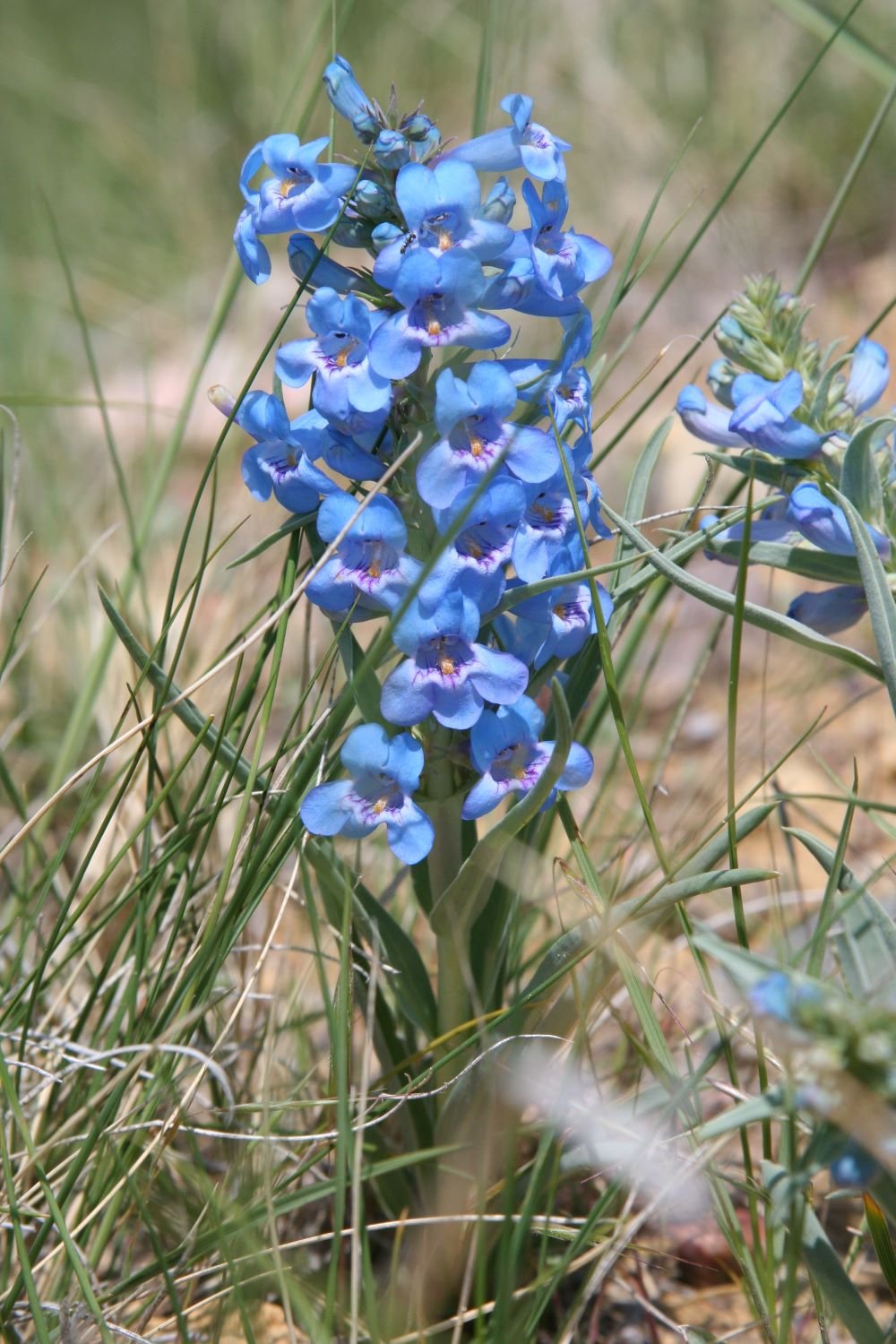
P. angustifolius blooming in the in Pawnee National Grasslands. Photo by Glenn Cushman.
Different species bloom at different altitudes from May through July in Boulder County. Because of this year’s record-breaking drought, we’re not seeing the usual flamboyant spring shows along the roadcuts on Flagstaff and Plainview Roads and in Sunshine Canyon. We hope, however, that the late May showers will bring out June flowers!
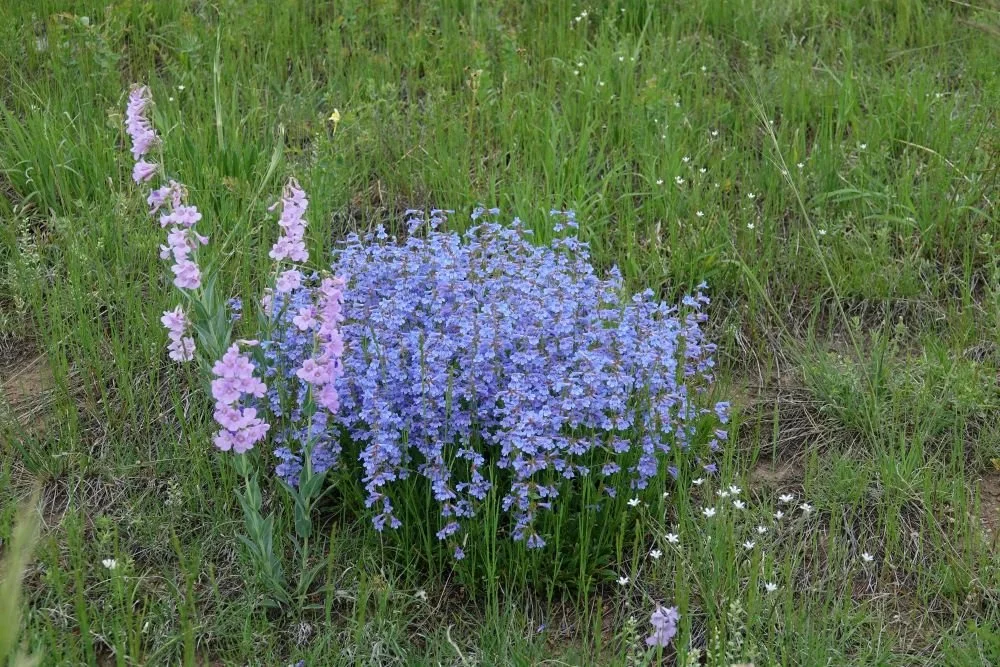
One-sided penstemon (P. unilaterally, left) and little blue penstemon (P. strictus, right) taken on Plainview Road. Photo by Glenn Cushman.
Even though wild penstemons are late to bloom this year, garden penstemons are flourishing. The Lyons Rocky Mountain Botanic Garden is a wonderful place to see penstemons as well as many other native plants. The Denver Botanic Gardens and their Chatfield Farm in Jefferson County, designated a birding hotspot on eBird, are also places to see an array of penstemons. We’ve not been to Chatfield Farm yet, but hope to visit it sometime soon.
For information on cultivation, propagation, and SeedEx (the 2027 seed exchange) check the American Penstemon Society’s website.
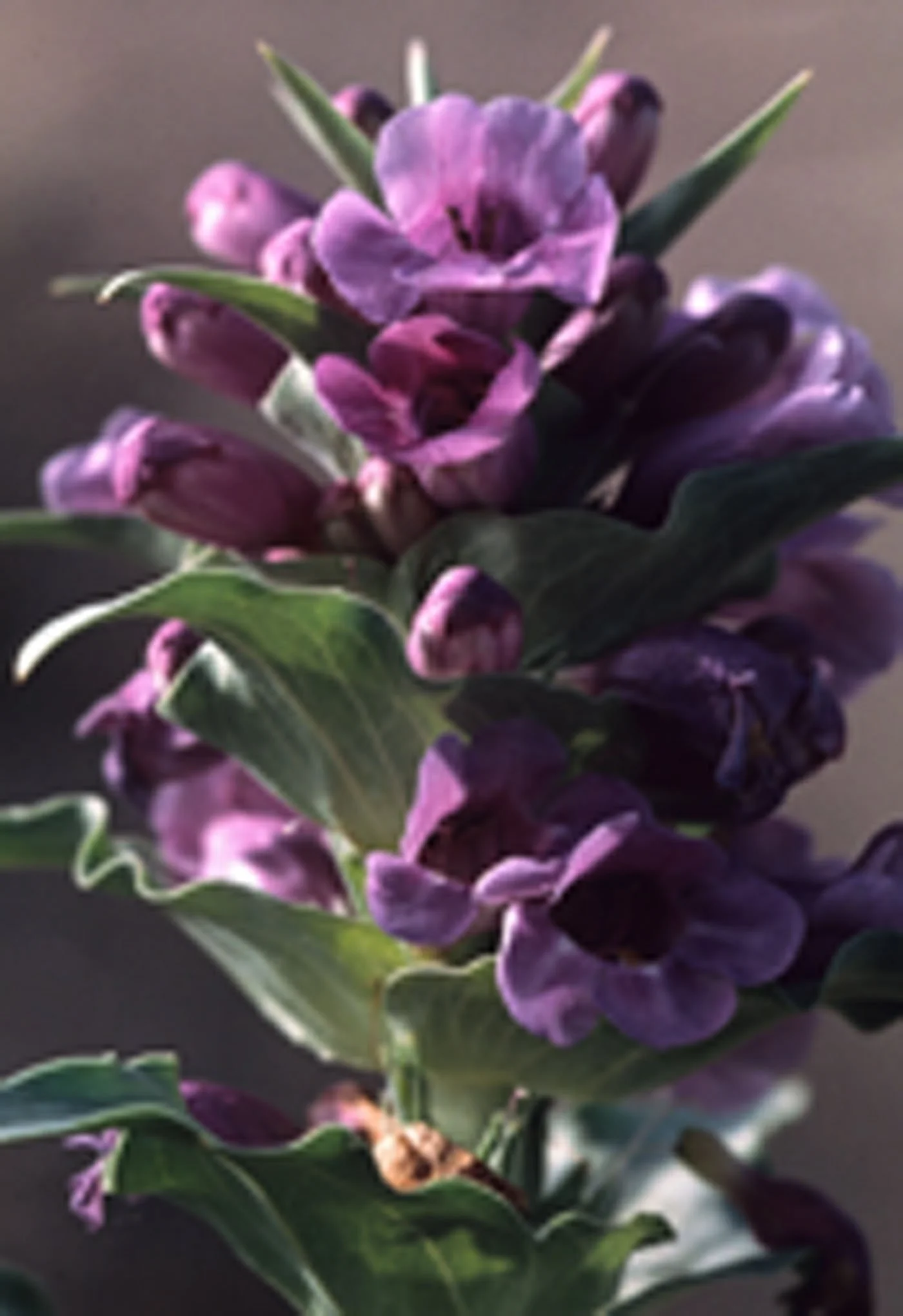
Blowout penstemon (P. haydenii) is listed as threatened in Nebraska and Wyoming (the only places where it occurs). Improved grazing management has led to the loss of most sand blowouts, its only habitat. Photo by Stephen Jones.
Other June Events
Venus and Jupiter have been coyly approaching each other for weeks now, getting to within 11 degrees in early June. On June 9, there will be a conjunction, and they will appear to be only a degree apart.
Fireflies flash their “come hither” lights at places like Sawhill Ponds and the meadows near Cherryvale Open Space from late June to early July, usually starting around 9 p.m.
Forget-me-nots, moss campions, and other alpine flowers peak, and blue columbines bloom by the end of June.
Woodhouse’s toads and chorus frogs sound off in low elevation wetlands.
Mule deer, elk, and bighorns give birth.
Nature Almanac is a monthly series by Stephen R. Jones and R. Carol Cushman, along with other guest contributors. Ruth Carol Cushman and Stephen Jones are authors of A Field Guide to The North American Prairie (Peterson Field Guides) and Wild Boulder County: A Seasonal Guide to the Natural World.